




Algivon - 100% Manuka Honey
Algivon - 100% Manuka Honey
Product Description
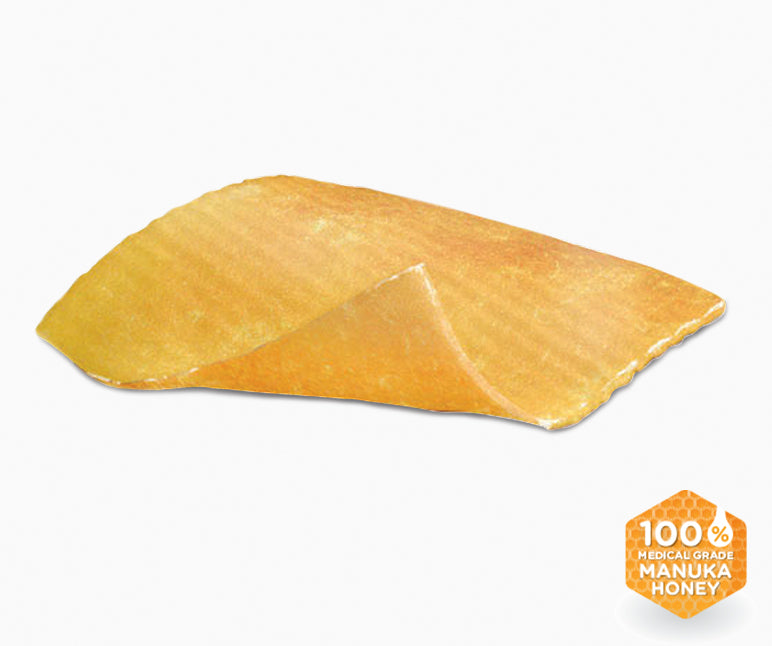
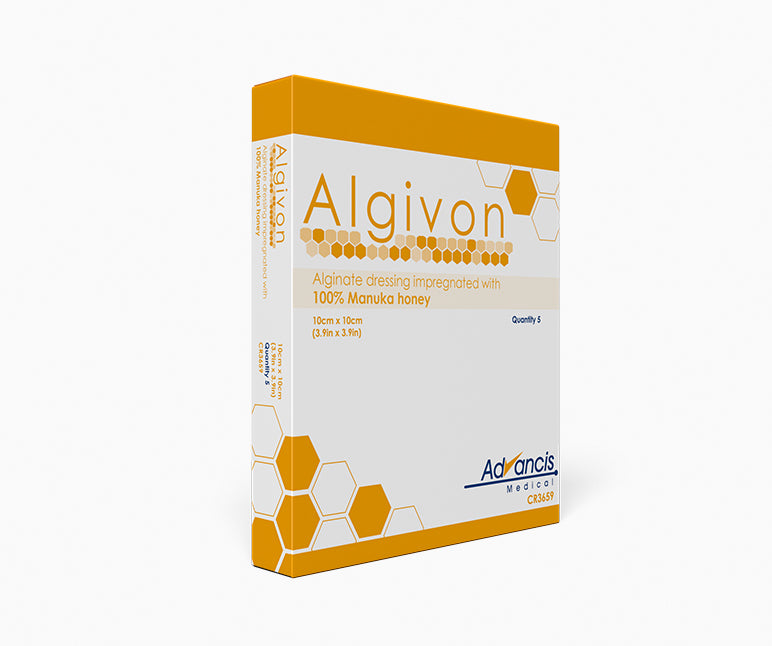
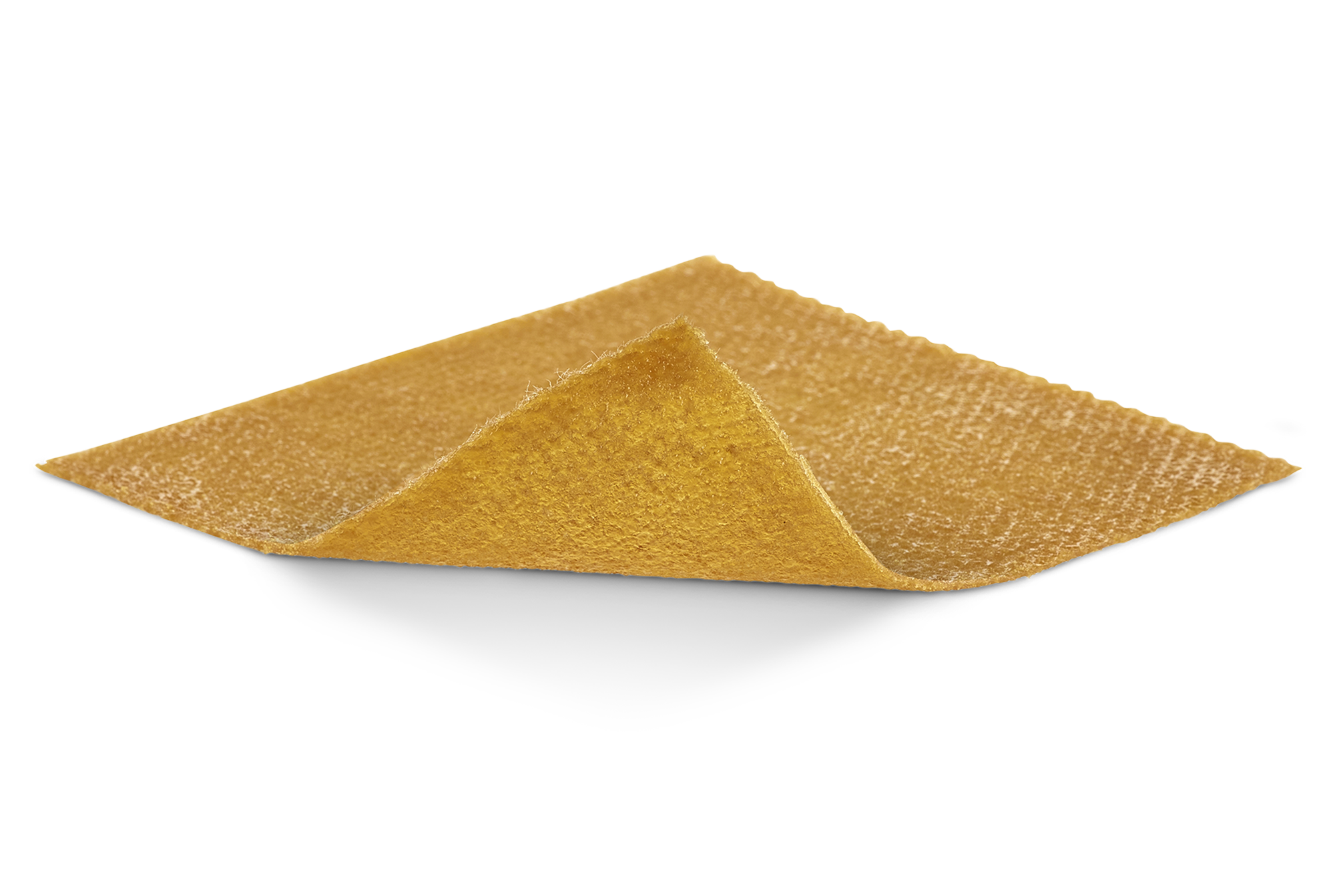
Algivon is a soft alginate dressing impregnated with 100% medical grade Manuka honey, with alginate fibres enabling a sustained, slower release of honey. This creates a moist healing environment and effectively eliminates wound odour whilst providing antibacterial action.
Algivon is an ideal choice for wetter wounds as the alginate has a small capacity to absorb, meaning the honey isn’t washed away with exudate, therefore staying at the wound site for longer.
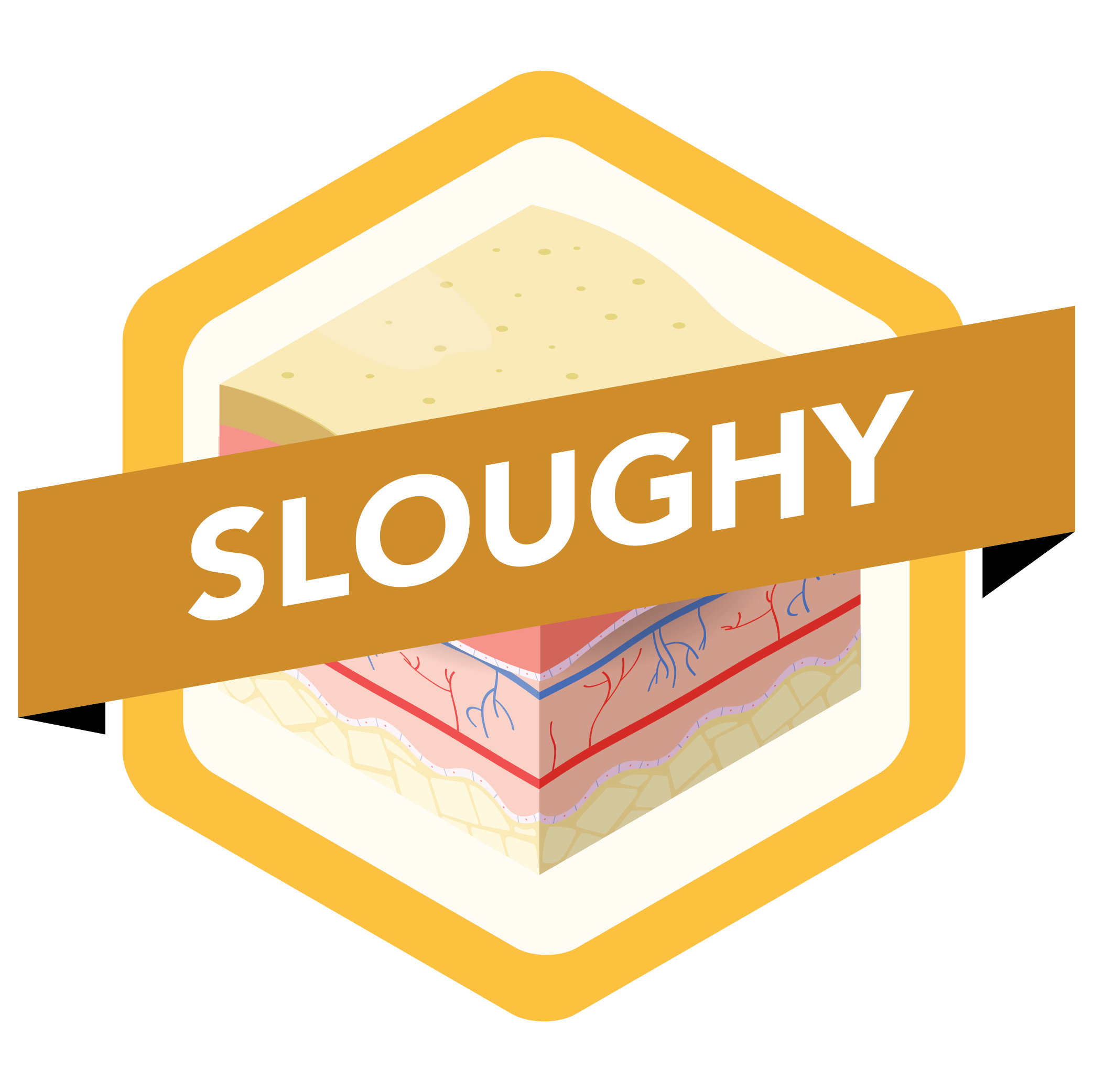
The dressing is very soft and conformable, ideal for debriding and de-sloughing large areas of sloughy tissue.
Available in a variety of different sizes, Algivon is designed to effectively cover wounds of all sizes.
Instructions for Use
- Ensure the wound has been cleaned
- Gently dry the surrounding skin
- Remove from packaging
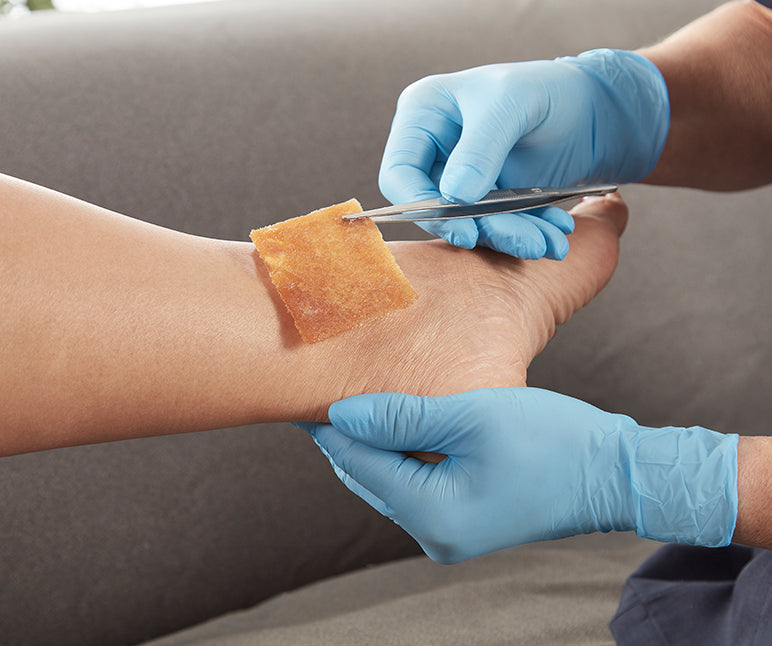
- Place (either side down) onto the wound surface
- Dressings can be placed side-by-side to cover large wound areas, or cut to size for smaller areas.
- Cover with an appropriate secondary dressing.
- Store at room temperature
Frequency of change
Depending on clinical observation, dressing may be left in place for up to 7 days. Algivon® will be less effective as the honey is diluted by wound exudates, to maintain an effective level change the dressing when the colour changes significantly.
Due to the nature of honey, it can solidify at cold temperatures and become more malleable at warmer temperatures. If the product has hardened, warm between hands to soften before use. If the product has become too soft, place in a colder place such as a fridge for a few minutes.
Top tip: Algivon is very soft and conformable so great for packing sinuses/cavities. It's also absorbent so good for wetter wounds as the honey stays at the wound site for longer in the dressing.Indications
Suitable for the following wound types:
Couldn't load pickup availability
Made with 100% Medical-Grade Manuka Honey
The levels of MGO in Manuka honey are measured using the Non Peroxide Activity (NPA) scale. The gold standard for Manuka honey effective antimicrobial activity is anywhere between 9.5 and 15 on the NPA scale. All our Activon Manuka honey dressings are made with 100% medical-grade Manuka honey, with a guaranteed NPA of 9.5 – 15 to optimise antimicrobial action and promote faster healing¹.
No therapeutic benefit
Breakfast honey
Effective Antimicrobial Activity
Warning - Overheated
Or Cooked to Increase Rating
No therapeutic benefit
Breakfast honey
Effective Antimicrobial Activity
Warning - Overheated
Or Cooked to Increase Rating
Manuka Honey Case Studies
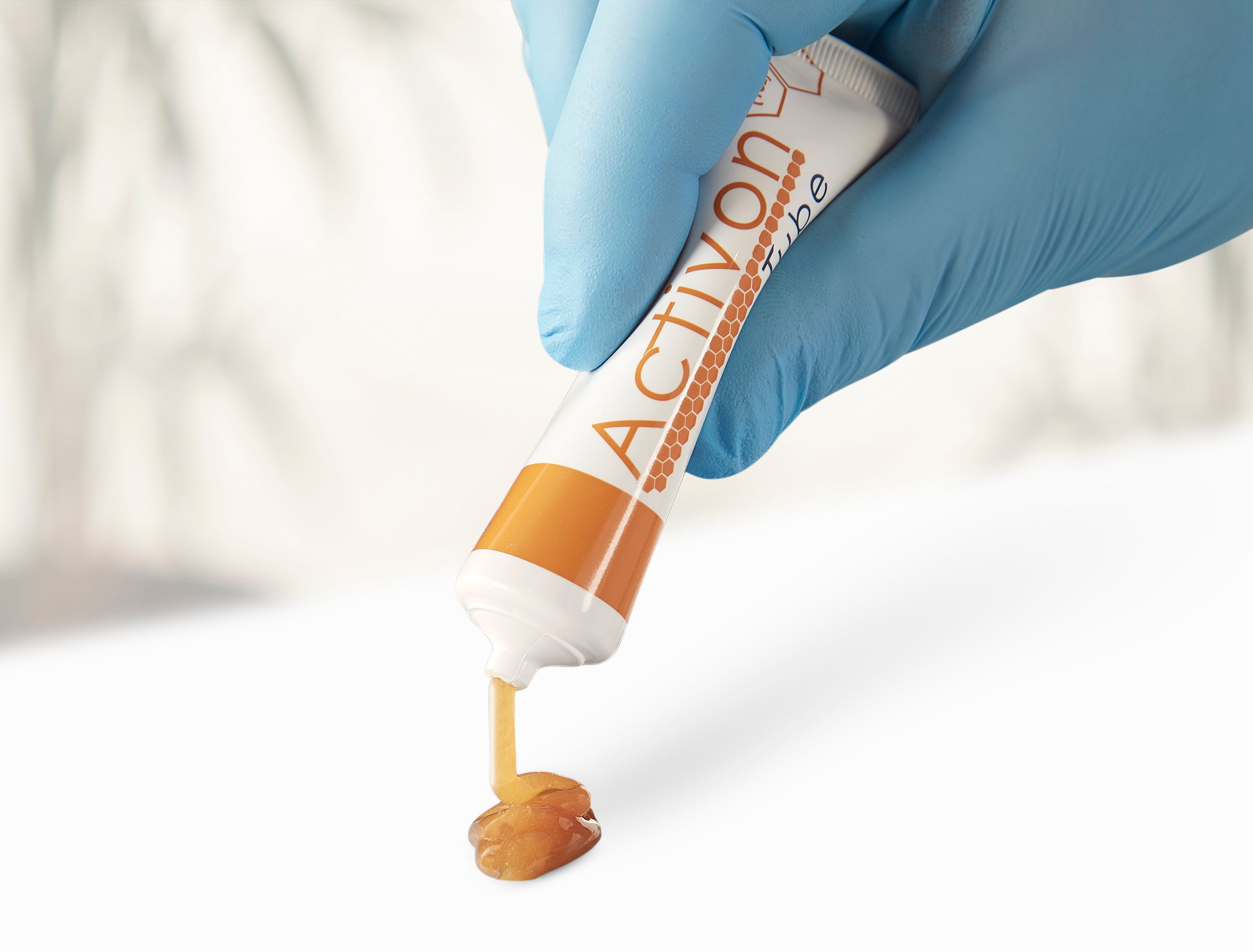
View our variety of case studies using the Activon dressing range on different wound types.
Need a Secondary Dressing?
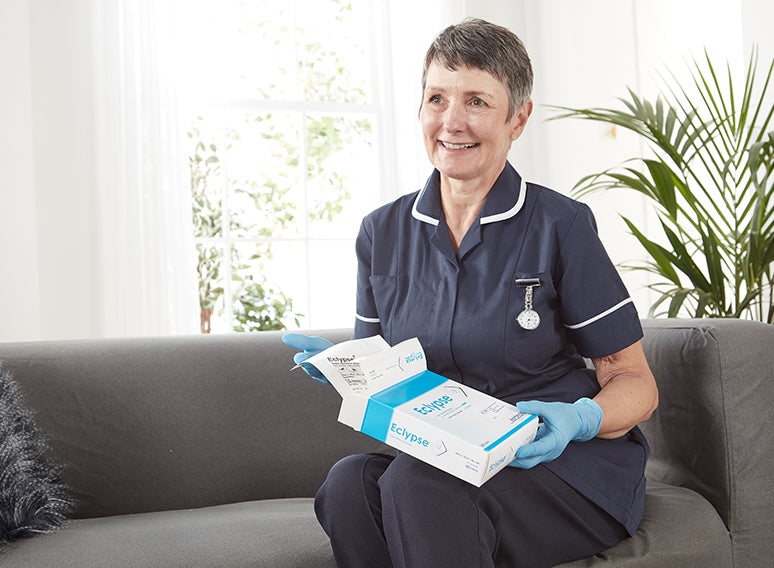
Eclypse range of superabsorbers are ideal for absorbing excess exudate caused by the use of Activon Manuka Honey dressings.
References
1. Dunford C, Cooper R, Molan P, White R. (2000) The use of honey in wound management. Nursing Standard, 15, 11, 63-68